


What works in development?
What works in development?
Welcome!
This blog tracks my work with undergraduates over the past years, and primarily highlights different versions of my undergraduate classes on International Development in Practice. The purpose of this blog is to provide a history of the partnerships with over 50 international organizations, as well as to inform prospective and current students, educators and anybody else who is interested in this type of experiential learning pedagogy. On this blog, you will find details on:
Course content and pedagogy
Student projects
Student reflections
Please feel free to get in touch.
Steve Reifenberg, sreifenb@nd.edu
Teaching Professor of International Development, Keough School of Global Affairs
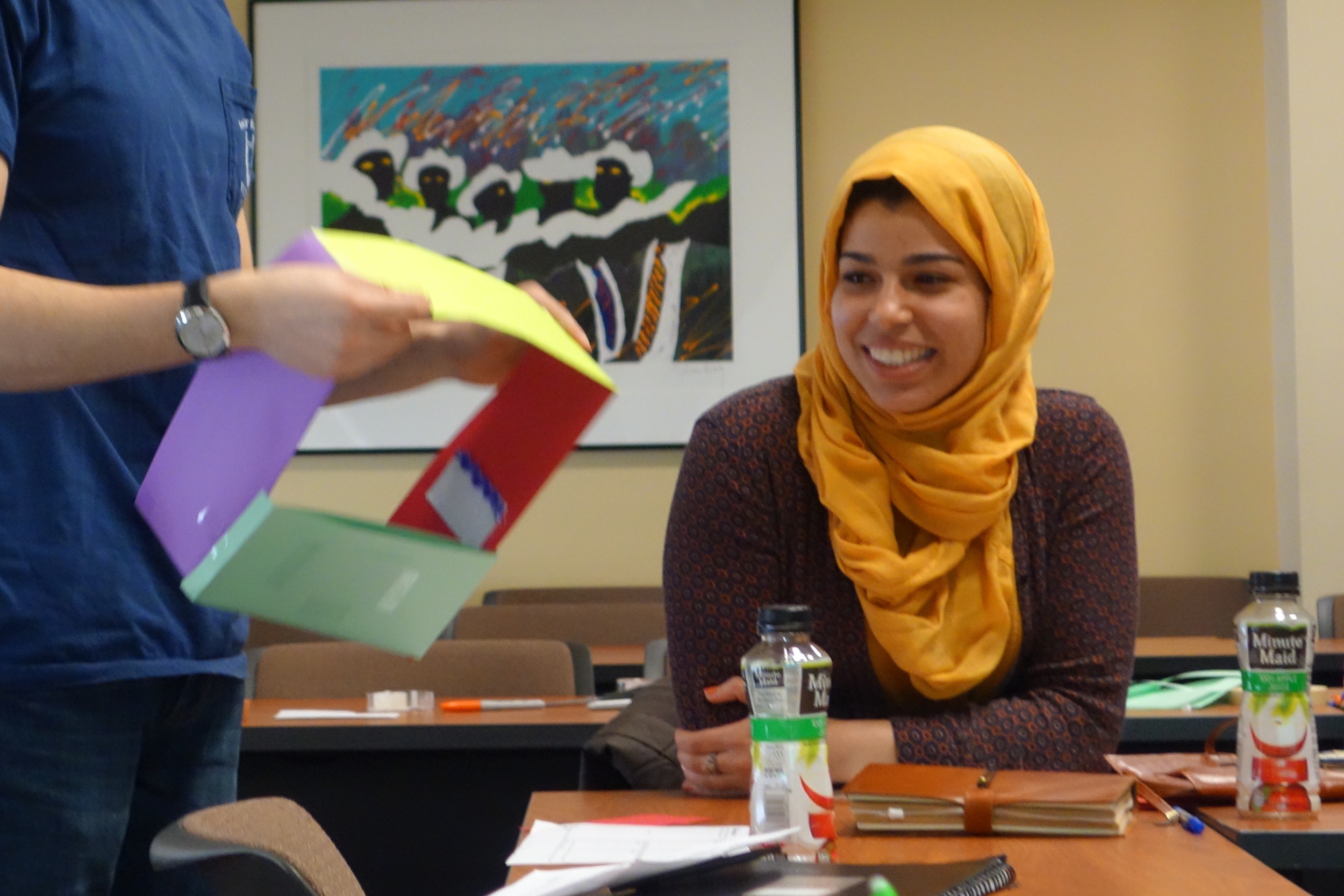
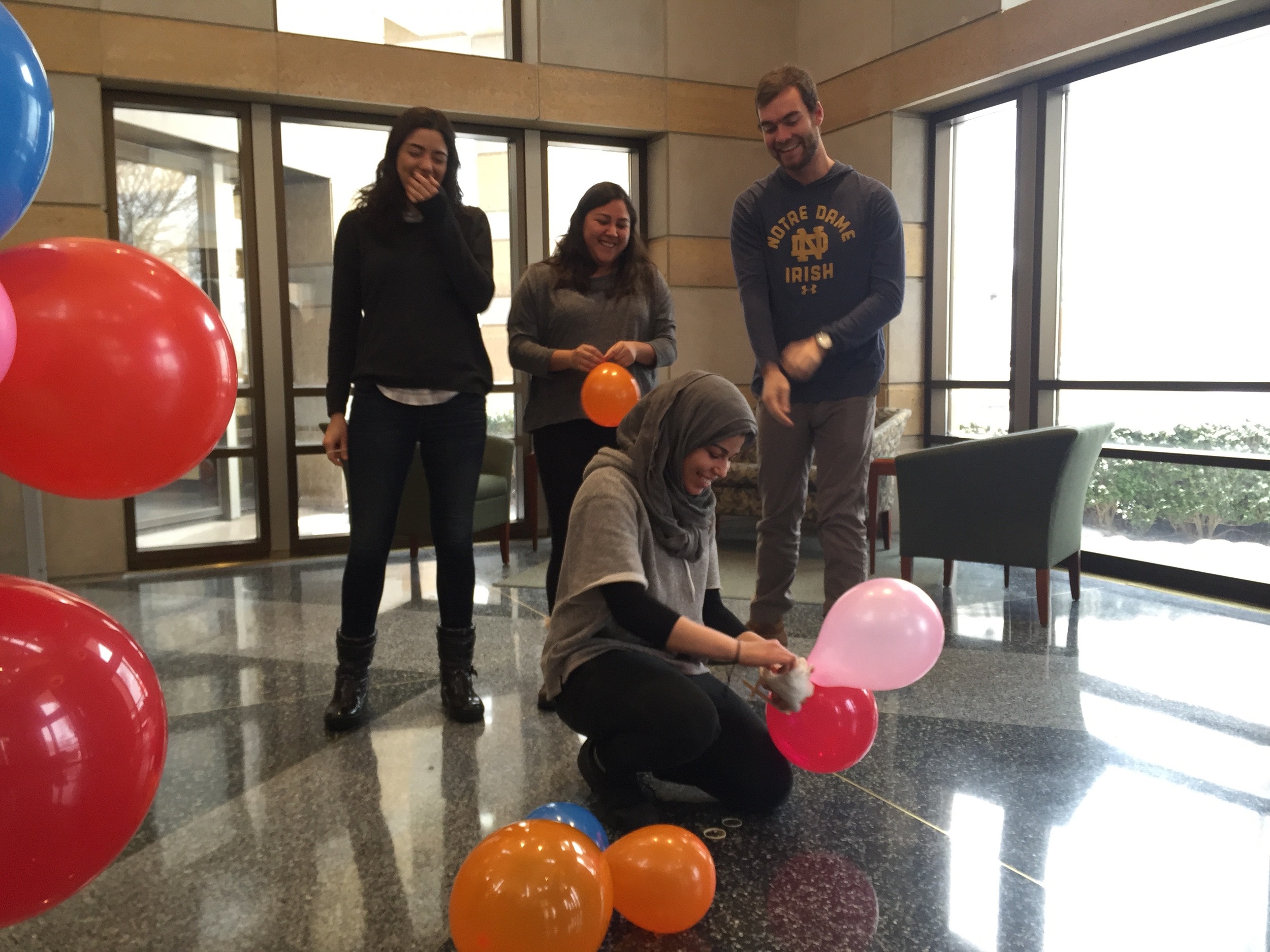


International Development in Practice I
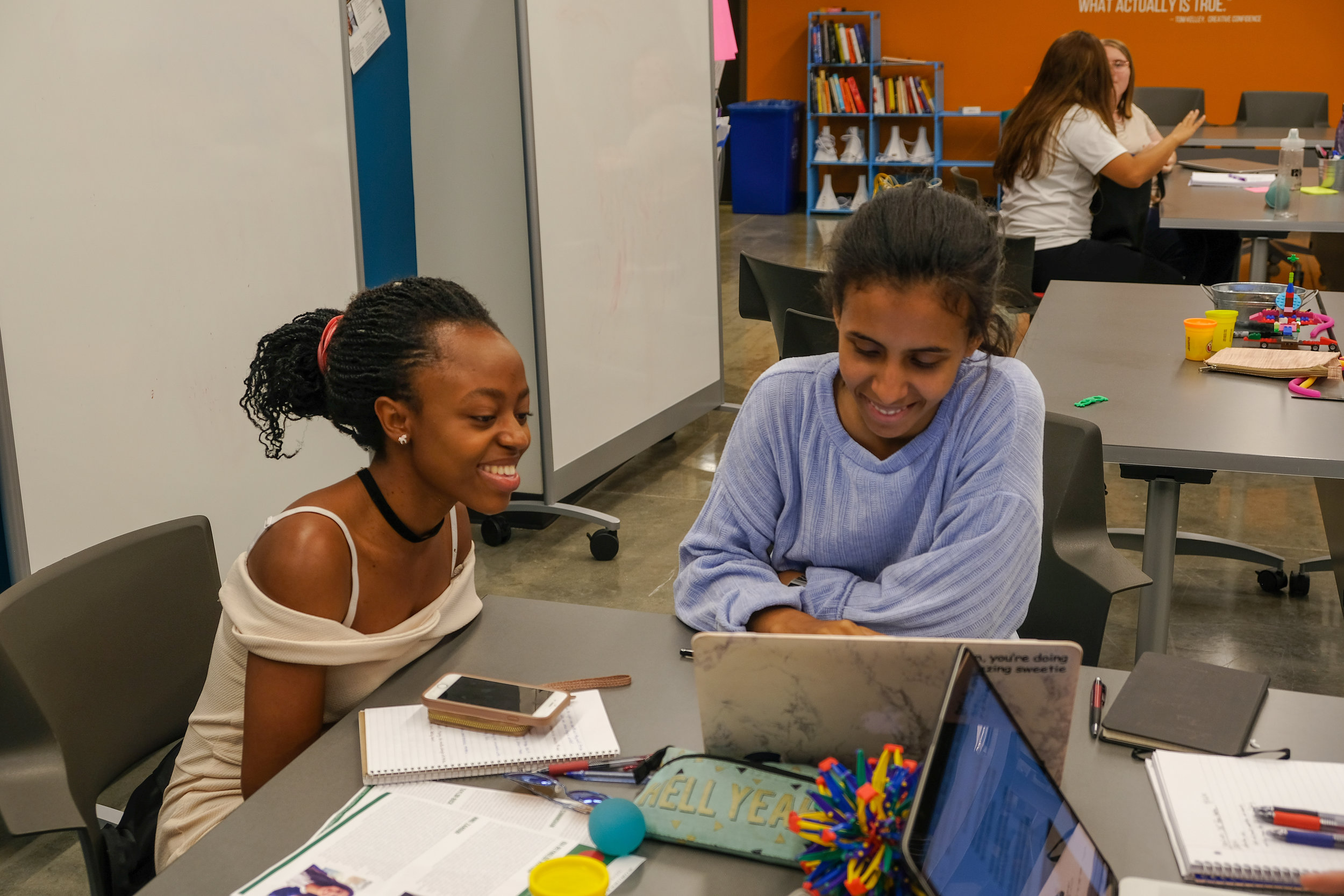
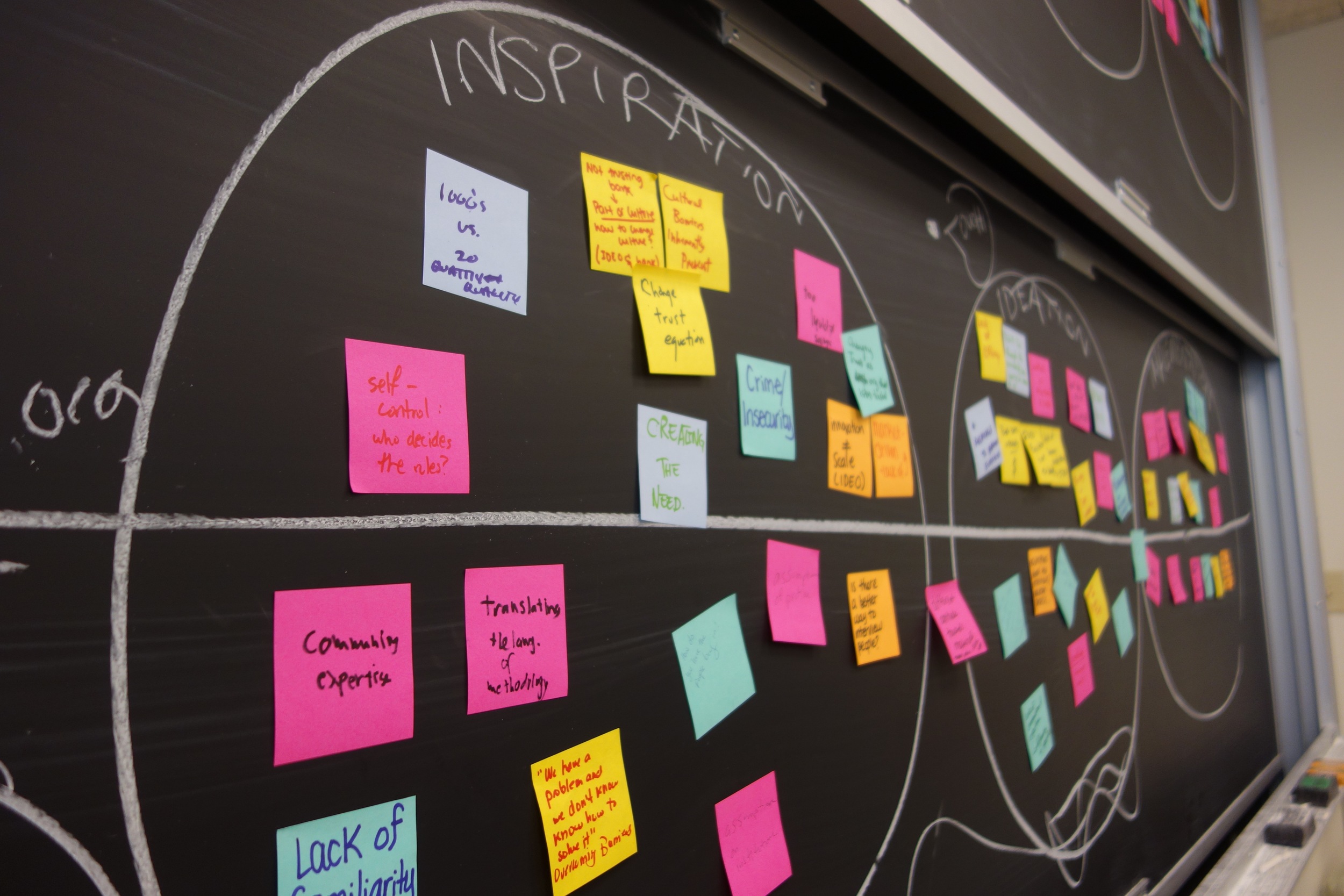
International Development in Practice I: What Works in Development? (POLS 30595) aspires to develop relevant knowledge and practical skills for students interested in engaging in positive change in a complex world. In this course, students will:
Examine processes for understanding individual and societal change in an international context;
Explore the roles, complexities, opportunities and constraints of development projects in areas such as poverty reduction, social development, health and education; and,
Develop practical skills related to project design, planning, design thinking, management, negotiations, communications, and the evaluation of international development projects.

Development Advisory Teams
Development Advisory Teams
What is a Development Advisory Team (DAT)?
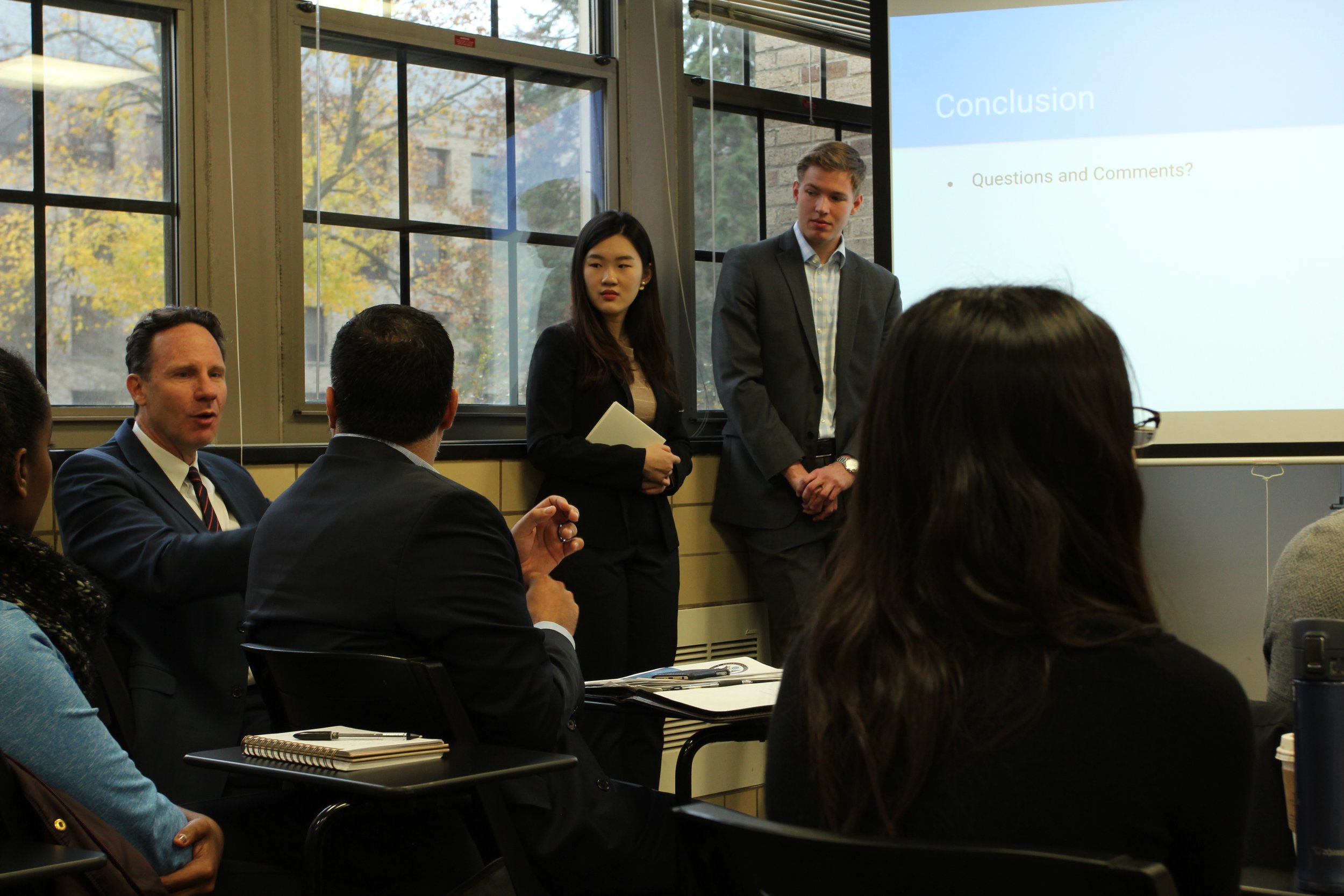
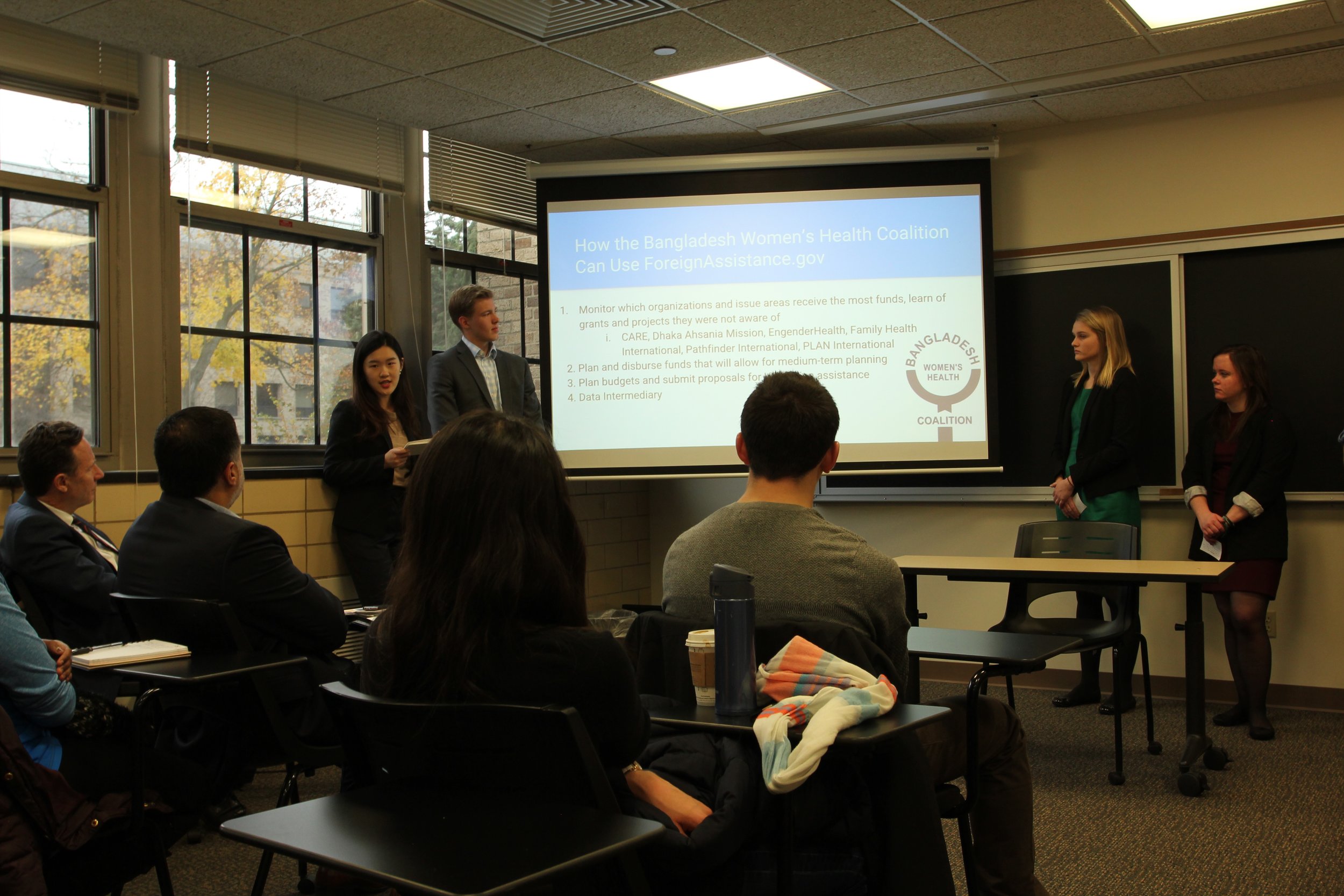
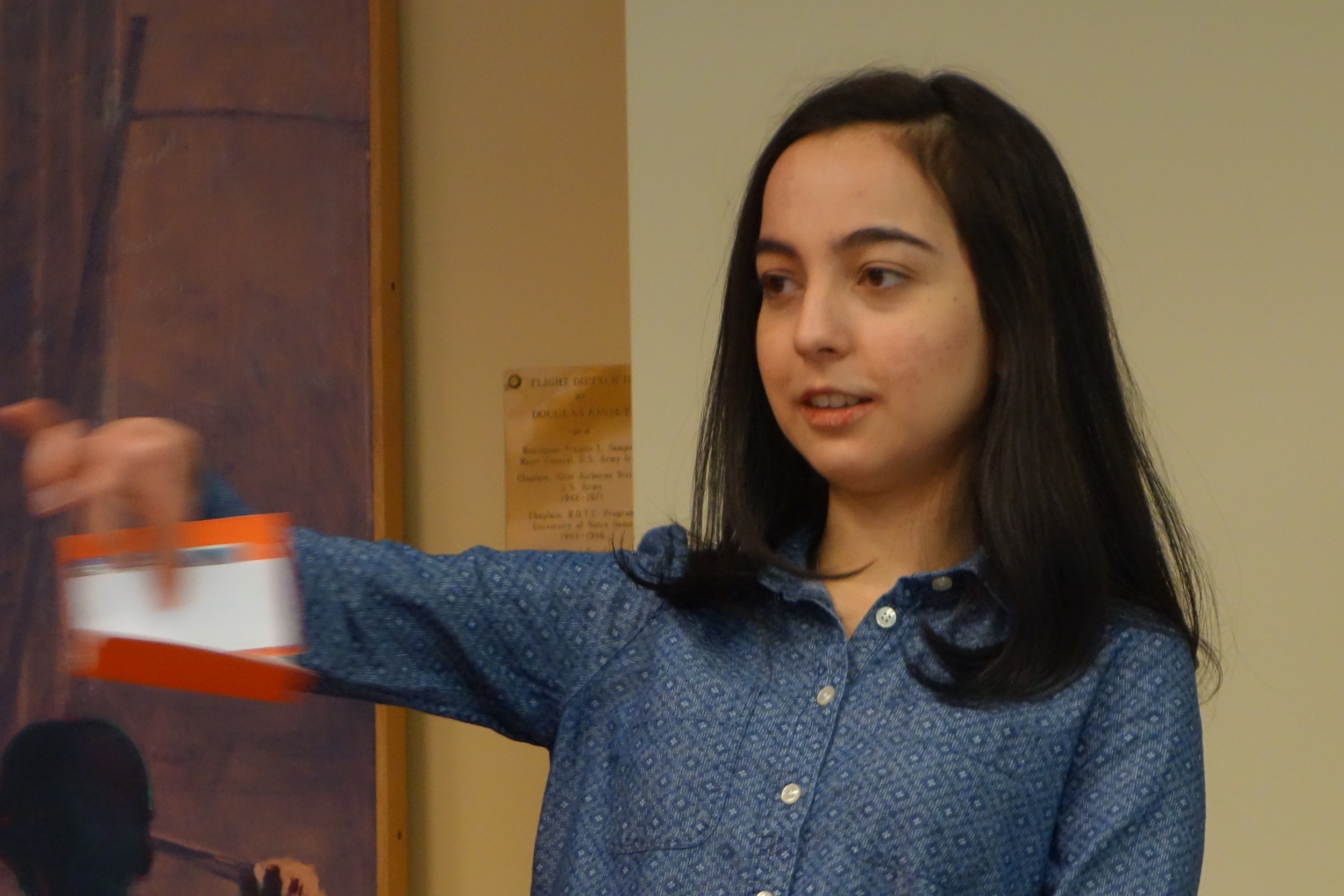
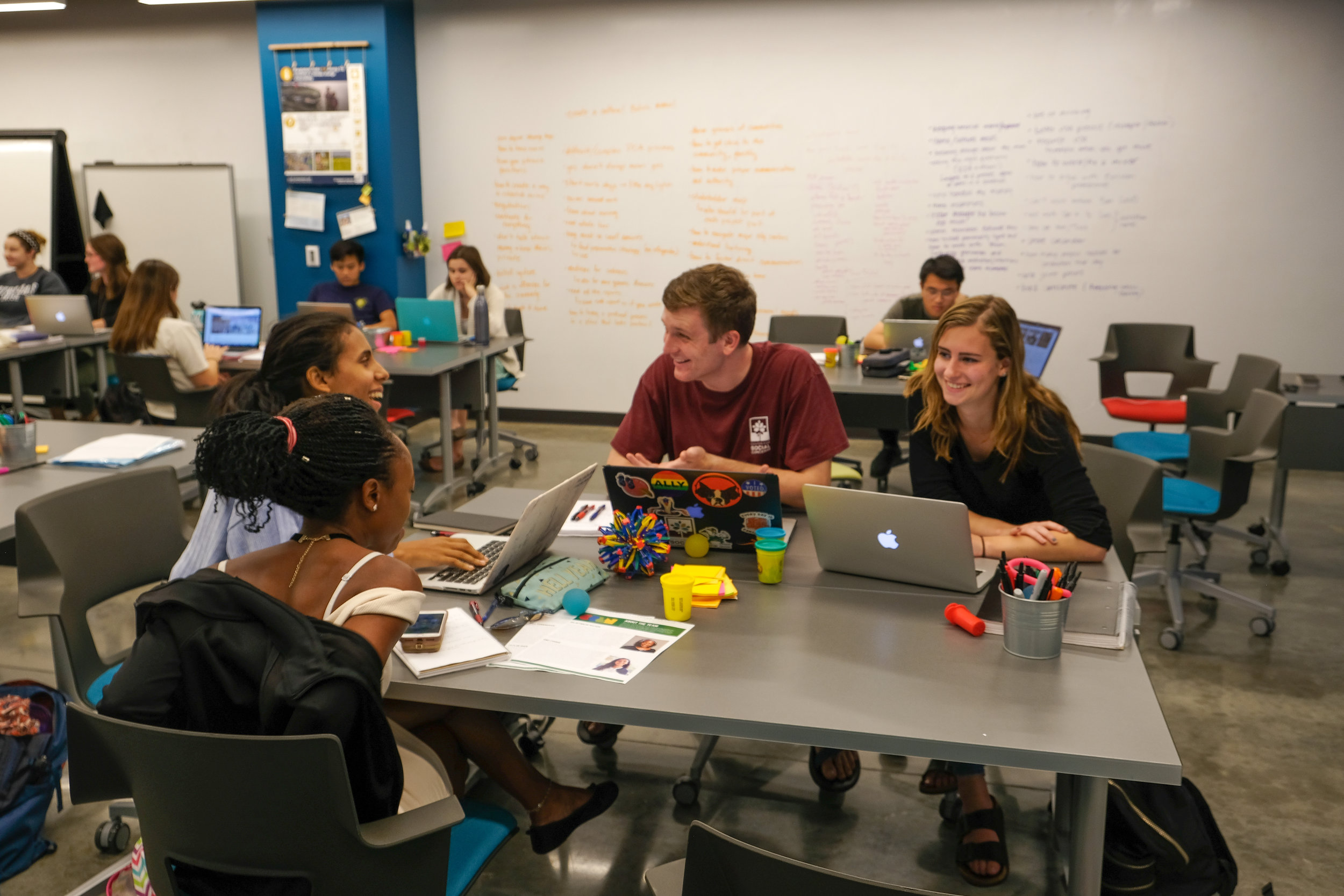
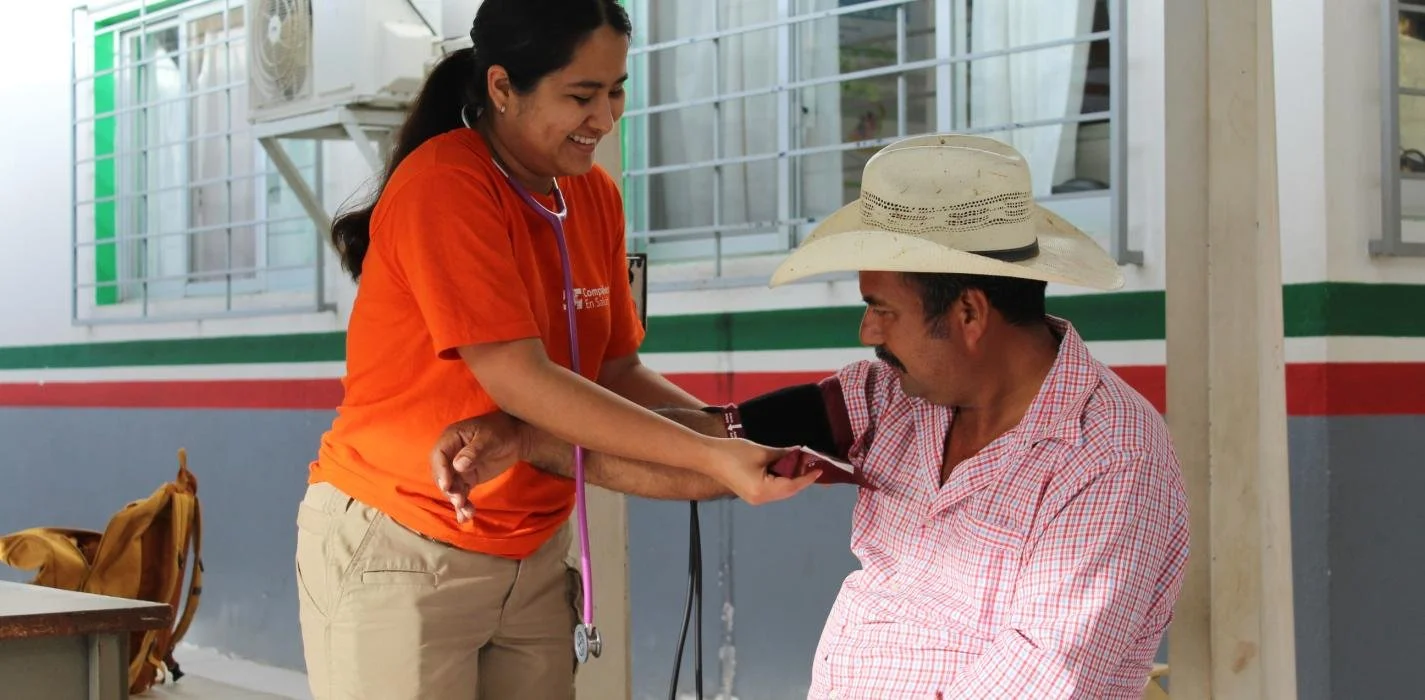
A major component of International Development in Practice classes revolves around the Development Advisory Teams (DATs). In groups of 3 to 5, students serve as consultants to international development organizations on a specific problem or opportunity. In 12 weeks, students are in regular communication with their clients and engage in research for “best practices.” At the end of the semester, students present their results to the class and offer concrete recommendations to their client organizations. The generosity of Notre Dame donors allow opportunities for students to apply for funds to travel and work with their organization in the field or present their final recommendations in person at an international site.
51 Organizations | 31 Countries | 106 Development Advisory Teams
“Spring 2026 Partners Denoted by Gold Drop Pins”
Spring 2026 Development Advisory Team Projects


About steve Reifenberg
About steve Reifenberg
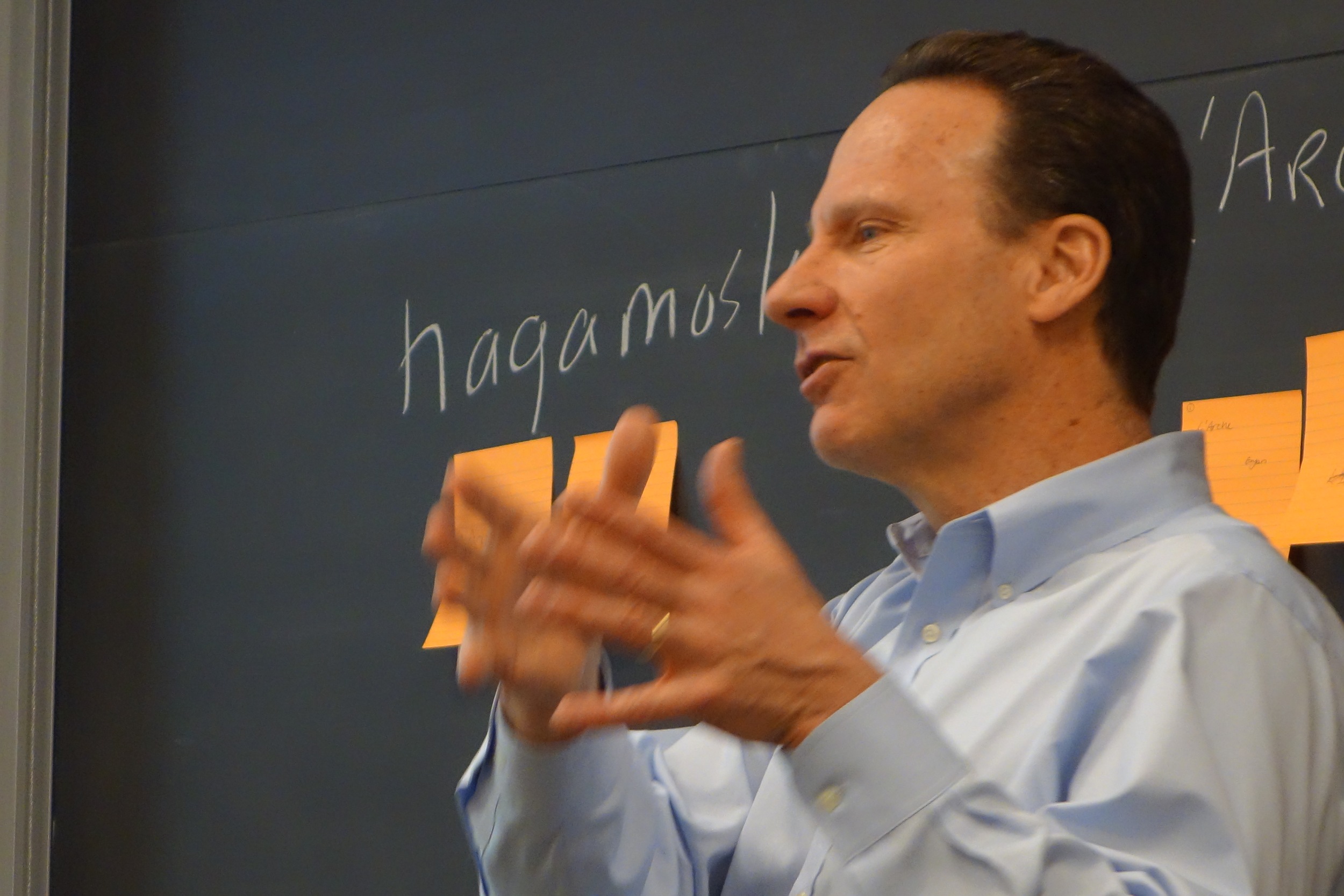
Steve Reifenberg is a teaching professor of International Development at the Keough School at the University of Notre Dame. He formerly served as the co-director of the Keough School's Integration Lab and faculty fellow of the Kellogg Institute for International Studies. Before coming to Notre Dame in February 2010, Steve worked for nearly two decades on international educational, negotiation and development issues at Harvard University. From 1996 to 2002, he served as the Executive Director of Harvard’s David Rockefeller Center for Latin American Studies (DRCLAS). In 2002, he established Harvard’s first-ever, university-wide office overseas in Santiago, Chile, an office that he directed for seven years. He was the former Program Director for Latin America of the Conflict Management Group (CMG) and served as the Director of the Edward S. Mason Program in Public Policy and Management, jointly administered by the Kennedy School of Government and the Harvard Institute for International Development.

Santiago’s Children
In the early 1980s, he lived and worked for two years at a small orphanage, Domingo Savio, in Santiago, Chile. He has written about his experiences in Santiago’s Children: What I Learned About Life Working at an Orphanage in Chile published by the University of Texas Press. He continues to be actively involved in Domingo Savio, and also serves on numerous non-profit boards in Chile and the U.S. that deal with innovation, education, and expanding opportunities for at-risk children.